Digital Humanities
Reading guide: …
Several of my publications on agent-based modeling cover the same ground from different sides. This is the order I would read them in, starting with a hands-on lesson on building a first simulation of Republic of Letters correspondence in Python.
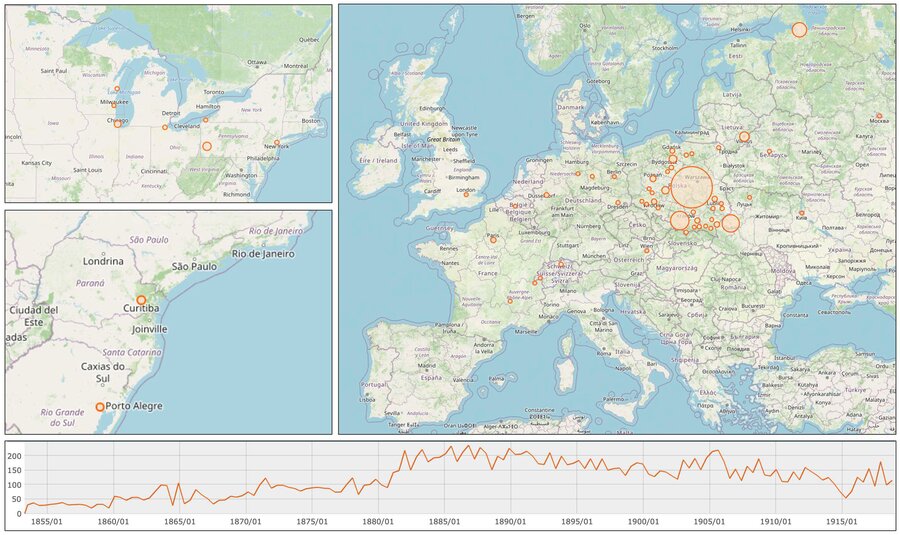
New data paper: Petroleum …
This data paper describes a dataset of 18,361 issues from roughly 800 Polish-language periodicals mentioning petroleum, published between 1 January 1853 and 31 December 1918. Alongside periodicals from historically Polish territories, it includes diasporic Polish-language press from elsewhere in …
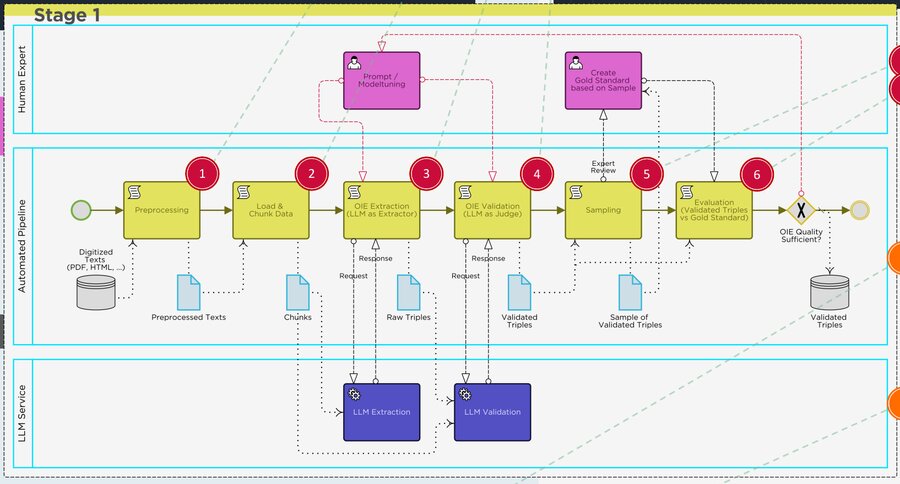
New chapter: From Source …
Extracting structured knowledge graphs from unstructured historical texts is precise but slow when done by hand, and hard to automate without losing the nuances of historical sources. This chapter presents a two-stage computational pipeline — open information extraction followed by LLM-based …
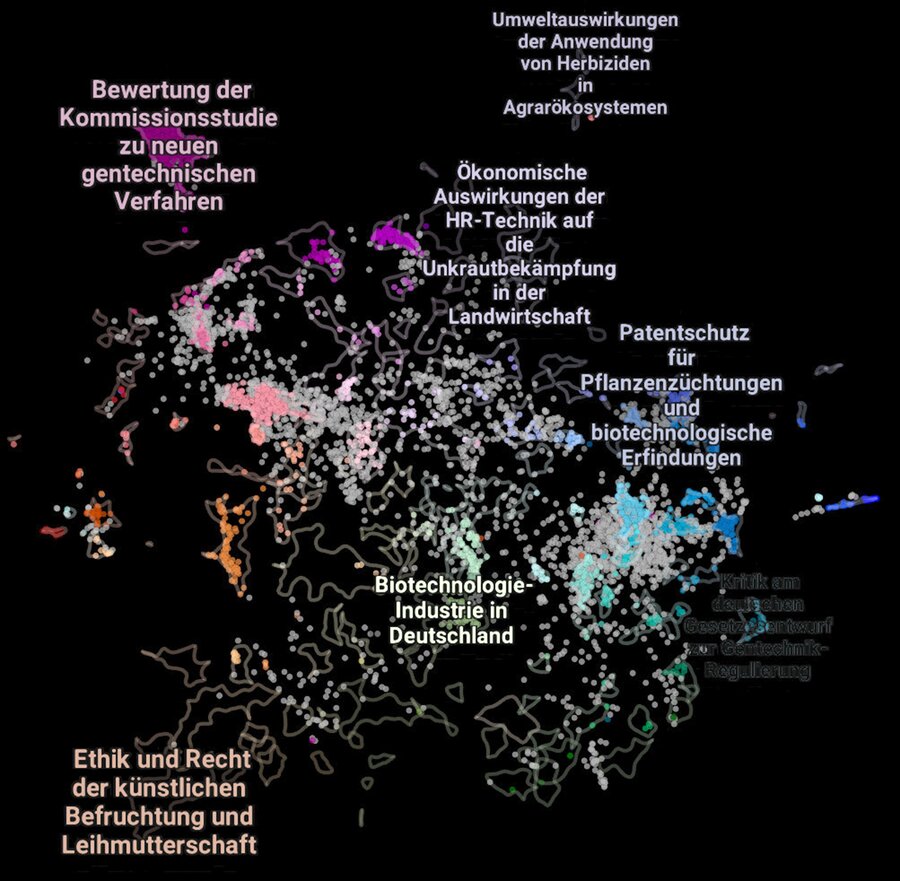
New chapter: Large …
Bringing large language models into a shared research workflow raises different questions for historians, political scientists, and digital humanists working together. Drawing on the project “Analysis of narratives in the genetic engineering discourse,” this chapter reflects on extending …
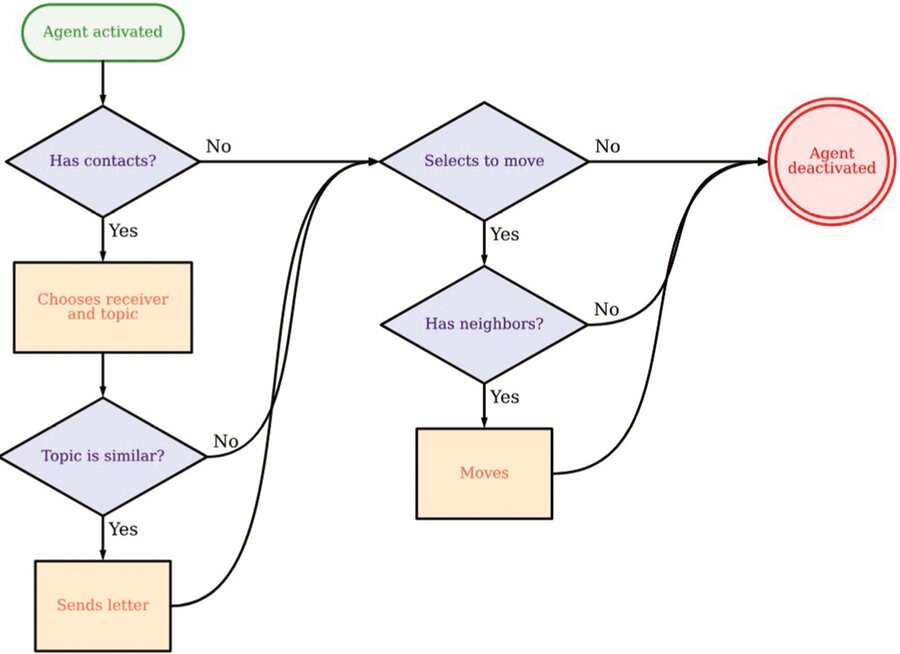
New chapter: Why Would We …
Working with archival material always raises the question of what circumstances produced a given document or collection — and what is missing from it. This chapter makes the case for agent-based modeling and simulation as ways to uncover possible biases and structurally represent historical …
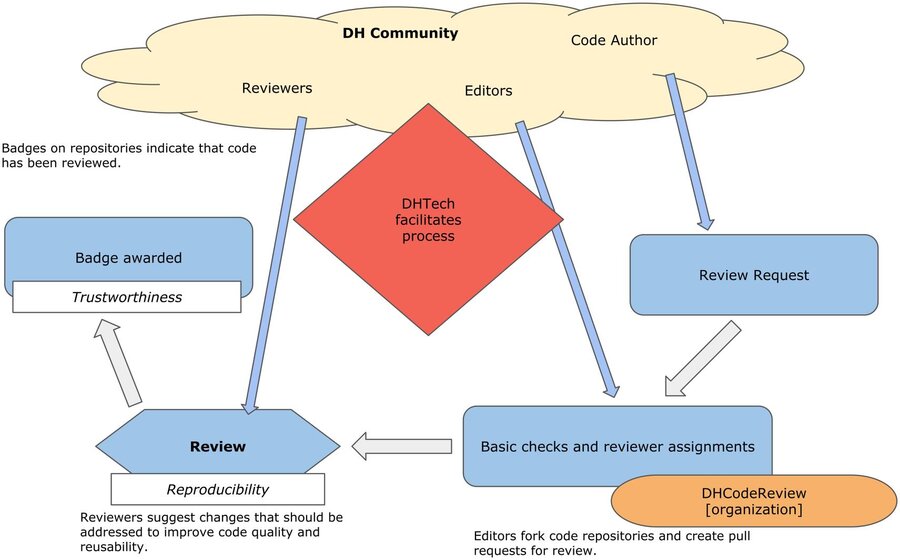
New paper: Code Review in …
Software errors can quietly undermine digital humanities research, but code review — a standard quality-control practice in software engineering — is hard to do when most DH developers work alone or in teams of one to three. This paper shares progress and insights from an effort to establish a …